EXPERIENCE ROXY'S PET SHOP CARE SHEETS
Amphibian Care Series - Frogs
Important Notice
If you have any concerns about your amphibian’s health, behavior, appetite, skin condition, or habitat, please seek advice from a qualified exotic or veterinary professional as soon as possible. Amphibians are highly sensitive to environmental changes and can decline rapidly if problems are not addressed early.
1. Pacman Frogs (Ceratophrys spp.)
Overview: Large, sedentary, terrestrial frogs known for their round bodies and voracious appetites. Lifespan: 7–10 years.
Housing:
- Tank Size: Juveniles 5–10 gallons; adults 10–20 gallons
- Substrate: Coconut fiber, organic soil, moss; slightly damp, not waterlogged
- Hides: Shallow hides or leaf litter
- Temperature: 75–85°F (day), 70–75°F (night); optional under-tank heater
- Lighting: Low light, natural day/night cycle; UVB not required
Diet: Carnivorous: crickets, roaches, mealworms, small pinky mice for adults; feed juveniles every 2–3 days, adults every 3–5 days. Dust prey with calcium 2–3 times/week; multivitamin once/week.
Water: Shallow water dish for soaking; change daily.
Behavior: Sedentary ambush predator, burrows in substrate, generally docile but may bite if threatened.
Health: Watch for obesity, skin infections, impaction, and parasites.
Sexing: Males smaller with rough thumbs; females larger and rounder.
Maintenance:
- Daily: remove uneaten food, refill water, check substrate
- Weekly: remove waste
- Monthly: deep-clean tank and accessories
2. White’s Tree Frogs (Litoria caerulea)
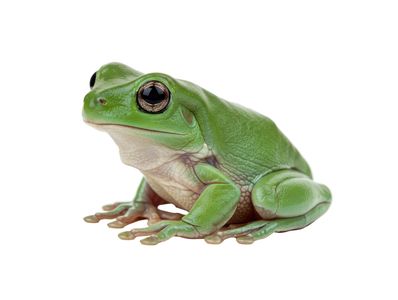
Overview: Docile, arboreal frogs native to Australia and New Guinea, often green with blue undertones. Lifespan: 10–15 years.
Housing:
- Tank Size: Juveniles 10 gallons; adults 20 gallons or taller
- Substrate: Coconut fiber, sphagnum moss, or paper towels; keep moist
- Decor: Branches, cork bark, plants for climbing
- Temperature: 75–85°F (day), 65–75°F (night)
- Lighting: Low to moderate light; UVB optional but beneficial
- Humidity: 50–70%, mist daily
Diet: Insects such as crickets, roaches, mealworms; dust with calcium and multivitamin weekly. Feed juveniles daily, adults every 2–3 days.
Water: Shallow water dish for soaking; change daily.
Behavior: Arboreal, climbs and hides, docile and tolerant of handling.
Health: Watch for obesity, skin infections, respiratory infections.
Sexing: Males have nuptial pads and are slightly smaller; females bulkier.
Maintenance:
- Daily: remove uneaten food, check water, mist enclosure
- Weekly: spot-clean substrate
- Monthly: deep-clean tank and decorations
3. African Dwarf Frogs (Hymenochirus spp.)
Overview: Fully aquatic frogs, small (1–2 inches), peaceful and social. Lifespan: 5–8 years.
Housing:
- Tank Size: Minimum 5 gallons for 1–2 frogs; 10 gallons for a small group
- Substrate: Fine sand or bare-bottom for easier cleaning
- Decor: Plants, rocks, and hiding spots
- Temperature: 72–78°F (22–26°C)
- Lighting: Low; no UVB needed
- Water Parameters: pH 6.5–7.5, clean and dechlorinated
Diet: Small live or frozen foods: bloodworms, brine shrimp, daphnia; feed 3–5 times/week.
Water: Always provide clean water; change 25–50% weekly, full change monthly.
Behavior: Active swimmers, social, gentle; fully aquatic but breathe air at surface.
Health: Watch for fungal infections, lethargy, and obesity.
Sexing: Females larger, rounded abdomen; males smaller with nuptial pads.
Maintenance:
- Daily: check water and health
- Weekly: partial water change, clean decorations
- Monthly: full water change, substrate cleaning
4. Fire-Bellied Toads (Bombina spp.)
Overview: Small semi-aquatic toads with bright red or orange bellies. Lifespan: 10–15 years.
Housing:
- Tank Size: 10 gallons for 2–3 toads; larger for more
- Substrate: Moist soil, coconut fiber, or moss
- Water Area: Shallow water dish or half-aquatic setup
- Temperature: 70–78°F (21–26°C)
- Lighting: Low; UVB optional but beneficial
- Humidity: Keep moist (60–80%)
Diet: Small live insects: crickets, fruit flies, worms; dust with calcium 2–3 times/week. Feed 3–4 times per week.
Behavior: Semi-aquatic, shy, may puff up when threatened; vibrant bellies signal toxicity in wild.
Health: Watch for skin infections, parasites, and obesity.
Sexing: Males smaller with darker throat and nuptial pads; females larger with rounded abdomens.
Maintenance:
- Daily: remove uneaten food, check water and substrate
- Weekly: spot-clean
- Monthly: deep-clean enclosure, replace substrate, sanitize water dish
Conclusion of Amphibian Care Series
These amphibians – Pacman Frogs, White’s Tree Frogs, African Dwarf Frogs, and Fire-Bellied Toads – are excellent pets when provided species-appropriate housing, diet, water, temperature, and maintenance.
Regular observation, proper hydration, safe feeding, and enclosure cleaning are essential to keeping these amphibians healthy and thriving.