EXPERIENCE ROXY'S PET SHOP CARE SHEETS
Medium Parakeet & Parrot Care Guide
Important Notice
If you have any concerns about your bird’s health, behavior, eating, or general wellbeing, please seek advice from a qualified avian or veterinary professional as soon as possible. Early veterinary care can be vital for birds
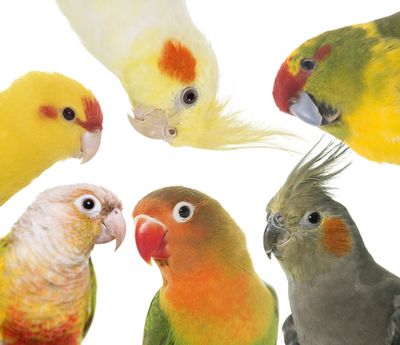
Cockatiels, Kakarikis, Conures, Quakers, Ringneck Parrots, and Rosellas are intelligent, active, and social birds that make engaging pets. While their care varies slightly depending on species, all require proper housing, nutrition, socialization, and mental stimulation to thrive. This guide provides detailed care instructions for these medium-sized parrots.
1. Housing
Cage Size
- Cockatiels & Kakarikis: Minimum 24" W x 18" D x 30" H.
- Conures & Quakers: Minimum 24" W x 20" D x 36" H; these birds are active and need space to climb and fly.
- Ringneck Parrots & Rosellas: Minimum 24" W x 24" D x 36" H; these species require more room for flight and exercise.
Bar Spacing
- ½ inch to ¾ inch for cockatiels and Kakarikis.
- ¾ inch to 1 inch for larger parrots like Ringnecks, Conures, and Rosellas.
Location
- Bright room with indirect sunlight.
- Avoid drafts, kitchens (Teflon fumes), and noisy, high-traffic areas.
- Birds enjoy social interaction but need quiet periods for rest.
Perches & Toys
- Variety of natural wooden perches of different diameters.
- Non-toxic woods: apple, willow, eucalyptus, untreated hardwood.
- Include swings, ladders, ropes, chew toys, and foraging toys to prevent boredom.
Nesting or Retreat (Optional)
- Breeding birds require species-appropriate nesting boxes.
- Cockatiels and Kakarikis: small wooden boxes.
- Conures, Quakers, Ringnecks, Rosellas: larger boxes or safe hideaways.
2. Diet
Seed Mix
- Seed mixes can be offered in moderation; avoid sunflower-heavy blends.
Fresh Fruits & Vegetables
- Offer leafy greens (kale, spinach, romaine), vegetables (carrots, peas, broccoli), and fruits (apple, pear, berries, melon).
- Avoid avocado, chocolate, onions, caffeine, and citrus (species-specific sensitivity).
Protein & Supplements
- Boiled eggs, egg food, or sprouted seeds during breeding and molting.
- Mineral blocks or cuttlebone for calcium and trace minerals.
Water
- Fresh, clean water must be available at all times; change daily.
3. Socialization & Interaction
Companionship
- These parrots are social and thrive with daily interaction.
- Many species (Quakers, Cockatiels, Conures) bond strongly with humans and may prefer one-on-one companionship.
Bonding & Training
- Positive reinforcement training can encourage taming, trick learning, and problem-solving.
- Talking, whistling, and clicker training are possible for Quakers, Ringnecks, and Conures.
Out-of-Cage Time
- Supervised flight and play several hours per day are important for mental and physical health.
4. Health & Grooming
Feather & Bathing
- Provide shallow baths or misting to support feather health.
- Observe for feather plucking or over-preening.
Nail & Beak Care
- Natural wear on perches is usually sufficient; trims may be needed occasionally.
Health Monitoring
- Watch for fluffed feathers, lethargy, labored breathing, changes in droppings, or loss of appetite.
- Maintain clean cages and fresh food to prevent infections.
Molting
- Occurs 1–2 times per year; increase protein to support feather regrowth.
5. Breeding (If Applicable)
Nesting Setup
- Provide secure, species-appropriate nesting boxes and soft bedding.
- Cockatiels, Kakarikis, and Conures: small to medium wooden boxes.
- Ringnecks and Rosellas: larger, deeper boxes to accommodate size.
Eggs & Chicks
- Provide extra calcium and protein during breeding and chick-rearing.
- Parents typically feed and care for young; juveniles fledge 4–8 weeks depending on species.
6. Behavior & Personality
Activity Level
- Cockatiels & Kakarikis: Playful, curious, enjoy climbing and gentle interaction.
- Conures & Quakers: Highly active, social, sometimes noisy, require mental stimulation.
- Ringnecks: Intelligent, can be independent but bond strongly with owners.
- Rosellas: More reserved, need flight space and mental enrichment.
Vocalization
- Cockatiels: Whistles and soft calls; males sing more.
- Conures & Quakers: Loud calls, mimicry possible.
- Ringnecks: Capable of talking and whistling; can be loud.
- Rosellas: Soft chirps, less vocal than Conures.
Bonding & Interaction
- Most species enjoy human interaction daily, but intensity varies by personality and species.
7. Safety
Toxins
- Avoid non-stick cookware fumes, aerosol sprays, scented candles, and toxic plants.
Other Pets
- Keep cages out of reach of cats, dogs, and other predators.
- Never allow unsupervised interactions outside cage.
8. Maintenance & Cleaning
Daily
- Replace water, remove uneaten fresh food, spot-clean cage, wipe dishes.
Weekly
- Replace cage liner, wash perches and toys, clean cage bars and tray, rotate enrichment items.
Monthly
- Deep-clean cage, disinfect, inspect and replace worn perches or toys.
9. Sexing
Cockatiels
- Males usually have brighter facial coloration and sing more.
- Females often muted, barred tail feathers.
Kakarikis
- Subtle dimorphism; males slightly larger or brighter, Beak is larger and wider on males - DNA testing may be required.
Conures
- DNA testing is the only true way.
Quakers
- DNA testing is the only true way.
Ringnecks
- Some species show slight dimorphism; 18 months old males will show a ring around there neck - DNA testing preferred for accuracy.
Rosellas
- Males often brighter with more vivid plumage; females duller.
Conclusion
Cockatiels, Kakarikis, Conures, Quakers, Ringneck Parrots, and Rosellas are intelligent, social, and interactive birds that bring color, energy, and personality to your home. Providing appropriate housing, balanced nutrition, daily socialization, mental enrichment, and regular health monitoring ensures long, happy, and healthy lives for these medium-sized parrots.