EXPERIENCE ROXY'S PET SHOP CARE SHEETS
Small Parrot & Lovebird Care Guide
Important Notice
If you have any concerns about your bird’s health, behavior, eating, or general wellbeing, please seek advice from a qualified avian or veterinary professional as soon as possible. Early veterinary care can be vital for birds
Budgies, Parrotlets, Lovebirds, Linonated parrots, and Rose-Breasted Bourkes are intelligent, social, and often colorful birds that make wonderful companions. While each species has its own personality and care needs, the fundamentals of proper housing, diet, socialization, and health are similar. This guide will help you provide a safe and enriching environment for these charming birds.
1. Housing
Cage Size
- Budgies & Parrotlets: Minimum 18" W x 18" D x 24" H for a pair.
- Lovebirds: At least 24" W x 24" D x 30" H; they are active and need space for flying.
- Rose-Breasted Bourkes: Minimum 24" W x 18" D x 24" H; enjoy horizontal space for flight.
- Linonated parrots: Cage should allow flight and play; at least 18–20" per dimension for a pair.
Bar Spacing
- ½ inch for small birds (budgies, parrotlets)
- Up to ¾ inch for larger small parrots (lovebirds, Bourkes)
Location
- Bright room with indirect sunlight, away from drafts and kitchen fumes.
- Avoid loud noises and high-traffic areas. Birds enjoy observing activity but need calm periods.
Perches & Toys
- Variety of wooden perches of different diameters.
- Non-toxic woods: apple, willow, eucalyptus.
- Include toys for chewing, climbing, and mental stimulation: swings, ladders, and foraging toys.
Nest or Retreat (Optional)
- Lovebirds & Bourkes: Nest boxes for breeding or privacy.
- Budgies & Parrotlets: Optional hide boxes for security.
2. Diet
Seed
- Use high-quality seed blends suitable for each species.
- Budgies and parrotlets do well on seed-heavy diets with fortified pellets.
- Lovebirds and Bourkes benefit from pellets, seeds, and occasional sprouted seeds.
Fresh Fruits & Vegetables
- Offer leafy greens (spinach, kale, romaine), vegetables (carrots, broccoli), and fruits (apple, pear, berries).
- Avoid avocado, onions, and citrus (can vary by species sensitivity).
Protein & Supplements
- Egg food or cooked eggs during breeding and molting.
- Cutlefish bone or mineral block for calcium.
Water
- Fresh, clean water daily.
3. Socialization & Interaction
Companionship
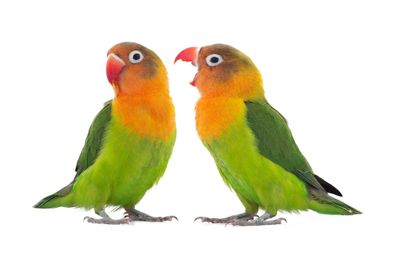
- Budgies, parrotlets, and lovebirds thrive in pairs or small groups.
- Rose-Breasted Bourkes prefer small flocks but can bond with humans.
- Linonated parrots vary; provide social interaction daily.
Bonding
- Gentle talking, hand-feeding, and safe interaction build trust.
- Avoid overstimulation; respect each bird’s personality.
Out-of-Cage Time
- Supervised flight in a safe room daily or several times a week encourages exercise and mental enrichment.
4. Health & Grooming
Feather & Bathing
- Provide shallow baths or gentle misting.
- Observe for over-preening, feather plucking, or stress behaviors.
Nail & Beak Care
- Birds naturally wear down nails and beaks on perches and toys; trimming may be required occasionally.
Health Monitoring
- Watch for signs of illness: fluffed feathers, lethargy, labored breathing, changes in droppings.
- Keep cages clean to prevent respiratory and digestive issues.
Molting
- Occurs 1–2 times per year; increase protein in diet to support new feathers.
5. Breeding (If Applicable)
Nest & Breeding Setup
- Lovebirds, Bourkes, and Linonated parrots require appropriate nesting boxes.
- Budgies and parrotlets: small boxes with shredded paper or coconut fiber.
Eggs & Chicks
- Provide extra protein and calcium during breeding.
- Monitor chicks closely; both parents usually feed and care for young.
- Juveniles leave the nest 3–4 weeks post-hatching, depending on species.
6. Behavior & Personality
Activity Level
- Budgies & Parrotlets: Energetic, playful, curious.
- Lovebirds: Feisty, affectionate, require mental stimulation.
- Rose-Breasted Bourkes: Calm, gentle, social within flock.
- Linonated parrots: Intelligent and interactive; enjoy problem-solving and social engagement.
Vocalization
- Budgies and parrotlets: Chirps, whistles; males may mimic sounds.
- Lovebirds: Loud calls, especially if seeking attention.
- Bourkes: Soft cooing, gentle vocalizations.
- Linonated parrots: Moderate vocalization, some species mimicry possible.
Bonding & Interaction
- All species benefit from daily social interaction, even if not hand-tame.
7. Safety
Toxins
- Avoid toxic plants, non-stick cookware fumes, aerosol sprays, and scented candles.
Other Pets
- Keep cages out of reach of cats, dogs, or other predators.
- Never allow unsupervised interactions.
8. Maintenance & Cleaning
Daily
- Fresh water, remove uneaten food, spot-clean cage, wipe dishes.
Weekly
- Replace cage liner, wash perches and toys with bird-safe soap, clean bars and tray, rearrange enrichment items.
Monthly
- Deep-clean cage, disinfect, inspect and replace worn toys/perches.
9. Sexing
Budgies
- Male: Blue or purplish cere (nose area).
- Female: Brown or whitish cere.
Parrotlets
- Depending on species, males often brighter with more markings; females generally duller.
Lovebirds
- Sexing can be tricky; behavioral cues and DNA testing are most reliable.
Rose-Breasted Bourkes
- Males have brighter breast coloration; females more muted.
Linonated Parrots
- Usually sexual dimorphism present; males brighter and more vocal, females duller.
Conclusion
Budgies, Parrotlets, Lovebirds, Linonated Parrots, and Rose-Breasted Bourkes are lively, intelligent birds that enrich any home with color, song, and personality. With proper housing, diet, socialization, and regular maintenance, these birds are relatively low-maintenance yet highly rewarding companions. Safe, stimulating, and clean environments ensure happy, healthy birds for years of enjoyment.